28 Posts Sort By
Latest
Oldest

President Donald Trump will host House Speaker Mike Johnson and Senate Majority Leader John Thune for a meeting at the White House at 2 p.m. ET as they prepare to enact his agenda, per leadership aides.
In a larger meeting immediately following that, GOP leadership will meet with Trump at 3 p.m. ET.
Trump began his term by taking a series of sweeping immigration executive actions Monday that included declaring a national emergency at the US southern border, immediately ending use of a border app called CBP One that had allowed migrants to legally enter the United States, and kicking off the process to end birthright citizenship, which is expected to tee up a legal fight.

President Donald Trump announced early Tuesday that he is removing several political appointees, including some prominent Democrats and critics of his, from advisory boards.
Among those removed from their posts are celebrity chef and restaurateur José Andrés from the President’s Council on Sports, Fitness and Nutrition; former Chairman of the Joint Chiefs of Staff Gen. Mark Milley from the National Infrastructure Advisory Council; diplomat Brian Hook from the Wilson Center for Scholars; and ex-Atlanta Mayor Keisha Lance Bottoms from the President’s Export Council.
“My Presidential Personnel Office is actively in the process of identifying and removing over a thousand Presidential Appointees from the previous Administration, who are not aligned with our vision to Make America Great Again,” Trump said in a Truth Social post shortly after midnight.
Milley, who served as chairman of the Joint Chiefs of Staff during Trump’s first term, has since been outspoken in his criticism of Trump, at one point calling him a “fascist.” He was among those pardoned in the final hours of the Biden presidency so as to protect him against potential retribution from Trump.

Hook, a top State Department official during the first Trump administration, was at one point expected to lead Trump’s transition team at the State Department, CNN previously reported, while Bottoms, a Democrat, has been a frequent Trump critic in recent years.
Andrés, an ally of former President Joe Biden, has clashed with Trump over the now-president’s infamous statement in 2015 that Mexican immigrants coming to the United States were criminals and rapists. A scuttled restaurant deal between Andrés and the Trump Organization, which the chef blamed on the remark, resulted in a long-running lawsuit that was settled early in Trump’s first administration.
President Trump will make a “massive” infrastructure announcement on his first full day in office, the White House said Tuesday.
White House Press Secretary Karoline Leavitt, in her first interview in the new role, told Fox News that she would not hold a press briefing Tuesday, but that the American people would “be hearing from the leader of the free world.”
“Once again, President Trump will be speaking to the press later this afternoon at the White House, and we will have a big infrastructure announcement,” she said. “This man is already doing more in less than 24 hours than his predecessor did in four years.”
She wouldn’t “get ahead of the president” on details of the announcement, but said the event would happen in the late afternoon at 4 p.m. ET.
More context: The White House was criticized – and often teased – about announcements on infrastructure during the first Trump administration, declaring at least seven times it was “infrastructure week,” only to be eclipsed by other events.
The new announcement from the president echoes one of former President Joe Biden’s biggest achievements, the bipartisan infrastructure law.
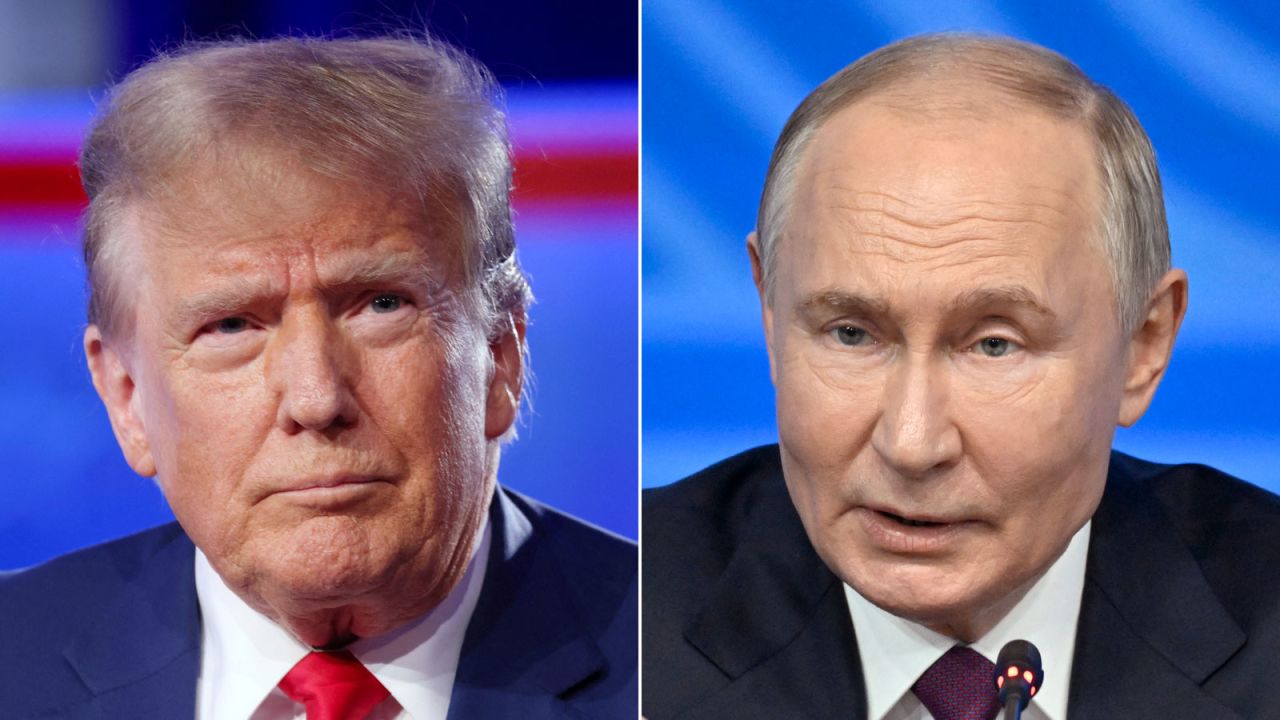
Donald Trump’s presidency “may open a new era of cooperation between Russia and the West to address global issues and avoid nuclear escalation,” a senior Russian economic official told CNN Tuesday.
The head of Russia’s sovereign wealth fund, Kirill Dmitriev, told CNN that “President Trump’s bold actions yesterday prove that decisive leadership can change the course of history — unlocking economic growth and transforming global challenges into opportunities for dialogue and resolution through problem-solving.”
Dmitriev, an Ivy League-educated former Goldman Sachs banker, is a key figure when it comes to the Russian government’s international economic relations. He has been a consistent interlocutor between Russia and the United States and helped build early contacts between Russia and Trump’s team following the US president’s first election victory in 2016.
His remarks come amid a noticeable change in tone between US and Russian officials. On Monday, Russian President Vladimir Putin expressed openness to rebuilding relations with the new US administration, saying he welcomed statements from Trump and his team “expressing a desire to restore direct contact with Russia.”
Trump on Monday said he plans to meet Putin once talks are set up, a process he said was already underway.
World leaders have congratulated President Donald Trump on his inauguration, with many urging stronger alliances or continued cooperation between their countries and the United States, in carefully crafted social media posts and statements.
Trump’s return to the White House portends a seismic shakeup in international relations, with the new president immediately ordering the US’ withdrawal from the Paris Climate Agreement and World Health Organization, as world leaders brace for new tariffs on goods and the impact of Trump’s “America first” agenda.
It is “truly unfortunate” that Trump will be withdrawing the United States from the Paris Agreement, the European Union’s climate commissioner said on Tuesday.
Germany’s Health Minister Karl Lauterbach said his country will try to persuade Trump to reconsider withdrawing the US from the World Health Organization. He said Trump’s decision is a “serious blow to the international fight against global health crises.” WHO Director-General Dr. Tedros Adhanom Ghebreyesus also said he hopes Trump would reconsider.
Some populist leaders celebrated Trump’s return, including Indian Prime Minister Narendra Modi, who called the US president a “dear friend,” and Hungary’s Victor Orbán who declared, “now it’s our turn to shine.” The executive orders signed by Trump will “transform not only the US, but the entire world,” Orban said in a post on X Tuesday.
But not all the messages were congratulatory.
Some leaders expressed their anger at remarks Trump made during his Inauguration Day speech, or with the controversial raft of executive actions he signed almost immediately after entering the Oval Office.
Panama’s President José Raúl Mulino rejected Trump’s promise that the US would be “taking back” the Panama Canal. The vital waterway in Central America was built by the US but is now controlled by Panama.
Other regional neighbors were also critical of Trump.
Cuba condemned Trump’s decision to put the Communist-run island back on the US list of state sponsors of terrorism, with its president calling the move, “an act of arrogance and disregard for the truth.”
But outgoing Canadian Prime Minister Justin Trudeau struck a more conciliatory tone, despite Trump’s recent jibes about making Canada the 51st US state and indication that he will impose a 25% tariff on imports from Canada and Mexico on February 1.
A New Zealand mayor also pushed back on Trump’s claim on Monday during his inaugural address that Americans split the atom. Nick Smith, the mayor of the city of Nelson, said in a Facebook post that the “honour belongs to Nelson’s most famous and favourite son Sir Ernest Rutherford.” Smith said that once a US ambassador to New Zealand is appointed, he will invite them to Nelson to visit a memorial for the scientist and “so we can keep the historic record on who split the atom first accurate.”
This post was updated with more international reaction.
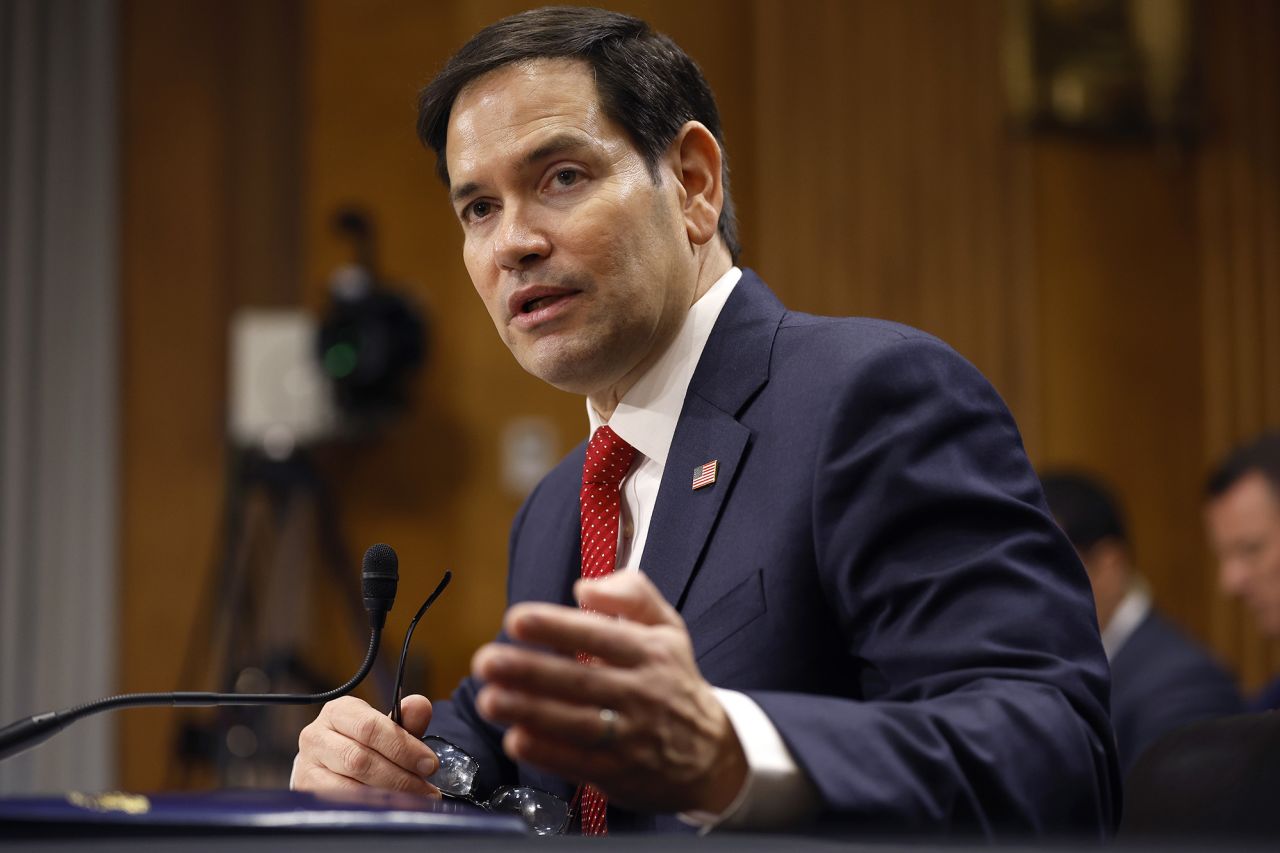
President Donald Trump’s administration is already making clear the US is changing course on its Ukraine strategy — with newly confirmed Secretary of State Marco Rubio on Tuesday calling on both sides to “give something” to end the conflict.
“The president said when he was campaigning, he wants the dying to stop. He wants the destruction to stop. I think that’s in everyone’s interest,” Rubio said, speaking to NBC News on the first full day of Trump’s presidency. “Now, will that be easy? Will it be complicated? Of course, because every side is going to have to give something.”
Asked what message it would send if Russia is able to hold onto Ukrainian land without consequence, Rubio said the country had “already faced consequences” in the form of sanctions, inflation, and lives lost.
“So there’s already been consequences, and there’s been horrifying consequences for Ukraine,” he said, admitting the country was “victimized” by Russia, but adding: “In the end, the reality is what we’re facing now is a stalemate, a protracted conflict, stalemate in which in which massive damage is being done to Ukraine.”
Rubio refused to weigh in on “domestic political debates” when asked about Trump’s January 6 mass pardons — and his own comments four years ago after the attack on the Capitol.
He also said it was “reasonable” for “a new administration on their first day in office” to take “some time to look at an issue” like a possible TikTok ban and to “weigh all of the security concerns.”
Tuesday marks the first full day of the President Donald Trump’s second term, and it’s already off to a busy start after Trump signed a series of executive actions, ordering a crackdown on immigration and removing the US from the Paris Climate Agreement and World Health Organization.
Trump also granted pardons to over 1,000 people involved in the Capitol insurrection in 2021, including the 14 far-right extremists from the Oath Keepers and Proud Boys who were convicted or charged with seditious conspiracy.
Here’s what to expect today:
- Trump is expected to meet with House and Senate Republican leadership at the White House.
- He is also expected to continue to sign the hundreds of executive orders that he has said he will enact over the first few days of his new presidency.
- At 10 a.m. ET, the Senate Veterans’ Affairs Committee will hold a hearing to examine the expected nomination of Douglas Collins to be Secretary of Veterans Affairs.
- Also at 10 a.m. ET, the Senate Foreign Relations Committee will hold a hearing to examine the expected nomination of Elise Stefanik to be the US representative to the United Nations.
- At 10:15 a.m. ET, the Senate Finance Committee will hold an Executive Session to consider the nomination of Scott Bessent for Secretary of the Treasury.
- At 11 a.m. ET, Trump and Vice President JD Vance will attend an interfaith Service of Prayer for the Nation at the Washington National Cathedral.
Chinese President Xi Jinping spoke with Russian President Vladimir Putin in a video call Tuesday, in which they reaffirmed the long-standing ties and shared interests of their two countries, according to Chinese state media CCTV.
Xi said China and Russia should continue to deepen strategic coordination in the new year, firmly support each other and safeguard the legitimate interests of the two countries.
The discussion came the day after President Donald Trump’s inauguration, and four days after Xi held a call with the incoming US leader.
The Chinese president also recalled Beijing and Moscow’s close collaboration last year in multilateral platforms including the Shanghai Cooperation Organisation and BRICS.
Putin said he was glad to see the economic, trade and energy cooperation between the two countries had maintained a good momentum.
The last time Xi and Putin met was in October on the sidelines of the BRICS summit in Kazan, Russia, where the Chinese leader said “the profound and lasting friendship” between the two sides would not change amid major developments on the world stage.
The pair reiterated that sentiment Tuesday, with Putin saying the relationship was based on the interests of both peoples and has “never been affected by changes in the international situation.”
Xi said: “The Sino-Russian relations, which are based on the spiritual core of permanent good neighborliness, friendly comprehensive strategic coordination, and mutually beneficial cooperation and win-win, continue to glow with new vitality.”
The tensions between China and the US and Western sanctions on Russia have resulted in closer trade relations between Beijing and Moscow, while Xi and Putin have developed a strong personal relationship.
The Justice Department has begun to ask the federal court in Washington, DC, to dismiss pending cases against alleged January 6 rioters, citing President Donald Trump’s executive order yesterday that also pardoned those who were already convicted.
The court filing notes the case should be dismissed with prejudice, meaning the charges cannot be brought again at a later date.
More on January 6 cases: An ongoing trial against two January 6 defendants is being dropped as well.
The jury trial against father and son Kenneth and Caleb Fuller of Minnesota began last week. Their jury in Washington, DC, was selected on January 15, and was set to return to court this morning at 9 a.m. ET.
The DOJ filed its notice of dismissal of the case last night. The men were arrested in 2023 after their photos allegedly participating in the riot were posted to the FBI’s January 6 wanted list.
This post has been updated with additional information.
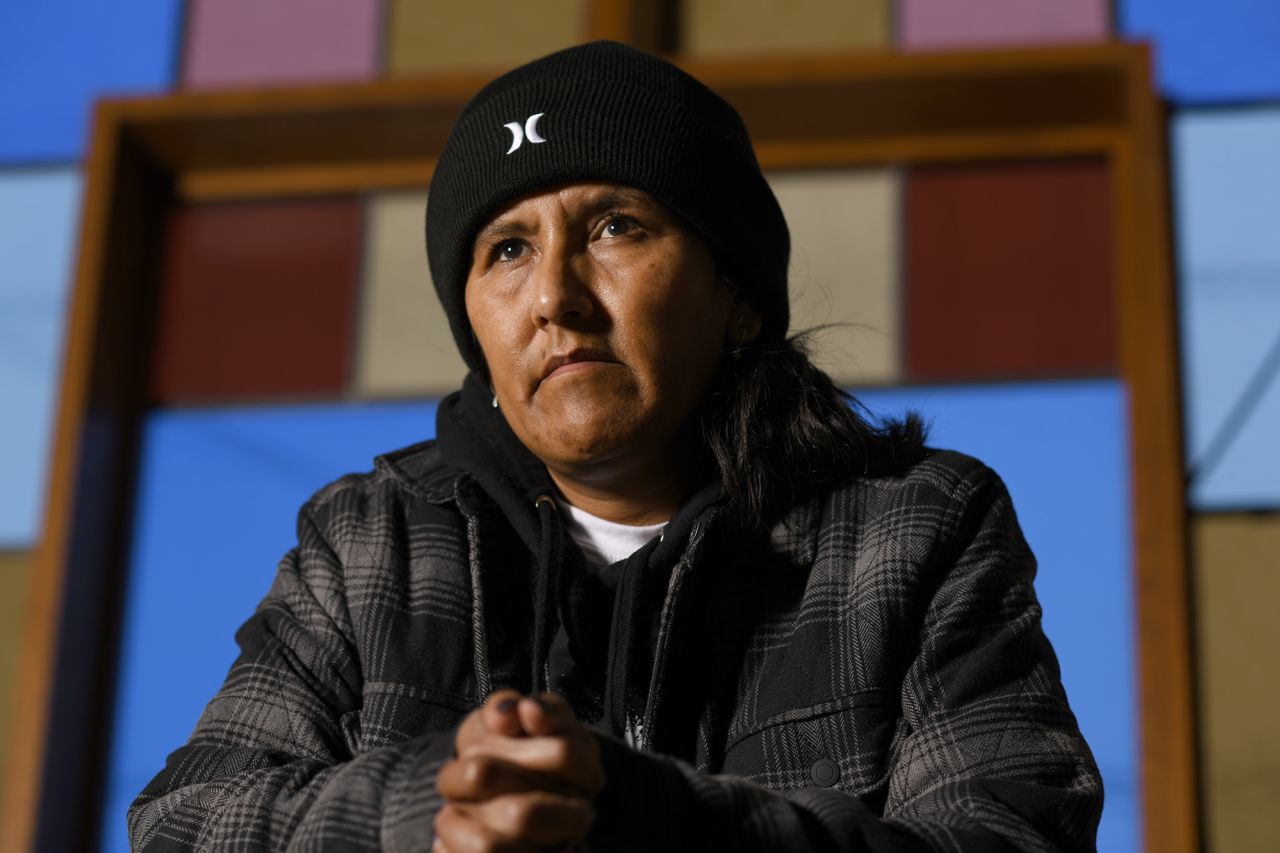
Jeanette Vizguerra is an undocumented mom and an activist in Denver, who is fearlessly speaking out on behalf of the immigrant community ahead of possible mass deportations at a time when some migrants are paralyzed with fear.
“I’m angry,” she told CNN.
Vizguerra gained international attention when she took sanctuary in a church with her four children in 2017 to avoid deportation during President Donald Trump’s first administration. That year, she was also named one of Time Magazine’s 100 most influential people in the world.
She says some undocumented people in Denver are planning to stop going to work, stop sending children to school and are thinking of self-deportation. But she is telling them to stay, not to fear, and to “fight for your dignity” and for the years they have worked and dedicated to the US.
To address fears, Vizguerra says she’s been livestreaming advice on social media, like informing migrants to ask anyone who is trying to enter their homes for a warrant signed by a judge.
Vizguerra points out that Trump is a felon, after his conviction on 34 counts of falsifying business records tied to hush money payments, who is now trying to cast the first stone at migrants, like her, who have come to this country for a better life for themselves and their families.
“He’s a clown,” she said. “It’s a taunt.”
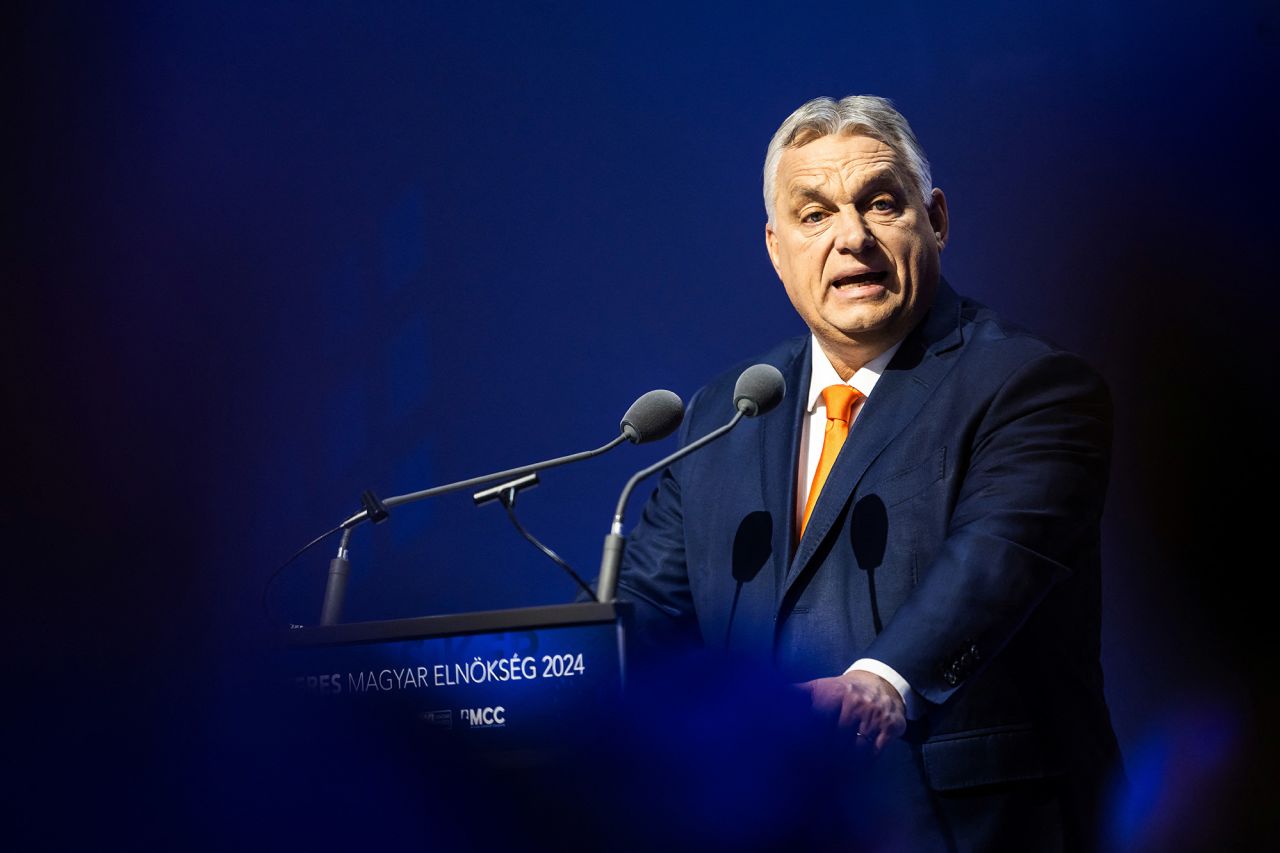
The executive orders signed by US President Donald Trump will “transform not only the US, but the entire world,” Hungarian Prime Minister Viktor Orban said in a post on X Tuesday.
On Monday, Trump’s first day back in office, he signed several executive orders, including the declaration of a national emergency on the southern border of the United States, the withdrawal from the World Health Organization, and Washington’s pullout from the Paris climate accord.
Despite pushback on Trump’s actions from other European figures, Orban, one of Europe’s most prominent populists to voice support for Trump, wrote Tuesday that “the rebellion against woke liberal democracy has entered a new stage.”
“The time has come for patriotic forces to occupy Brussels,” Orban said, referring to the headquarters of the European Union.
Germany will try to persuade President Donald Trump to reconsider withdrawing his country from the World Health Organization, the German health minister said on Tuesday.
In a statement shared by the German health ministry, Karl Lauterbach said that Trump’s decision to withdraw the US from the United Nations health agency is a “serious blow to the international fight against global health crises.”
“Without the US’ contribution to WHO, it will be much more difficult to help countries affected by outbreaks of infectious diseases or environmental disasters,” Lauterbach said. “Many programs to combat the consequences of famine, war and natural disasters are paid for with these funds.”
The health minister stressed that “hundreds of thousands of people,” including children, would be put at risk should the US withdraw from WHO. “We will try to persuade Donald Trump to reconsider this decision,” he said.
Lauterbach added that Germany “will continue to work closely with the US on global health issues. Global health security is in the interest of all nations – including the USA.”
Some context: On his first day back in office on Monday, Trump signed an executive order to withdraw from the United Nations health agency, citing its alleged “mishandling of the COVID-19 pandemic that arose out of Wuhan, China, and other global health crises, its failure to adopt urgently needed reforms, and its inability to demonstrate independence from the inappropriate political influence of WHO member states,” as reasons for the US withdrawal.
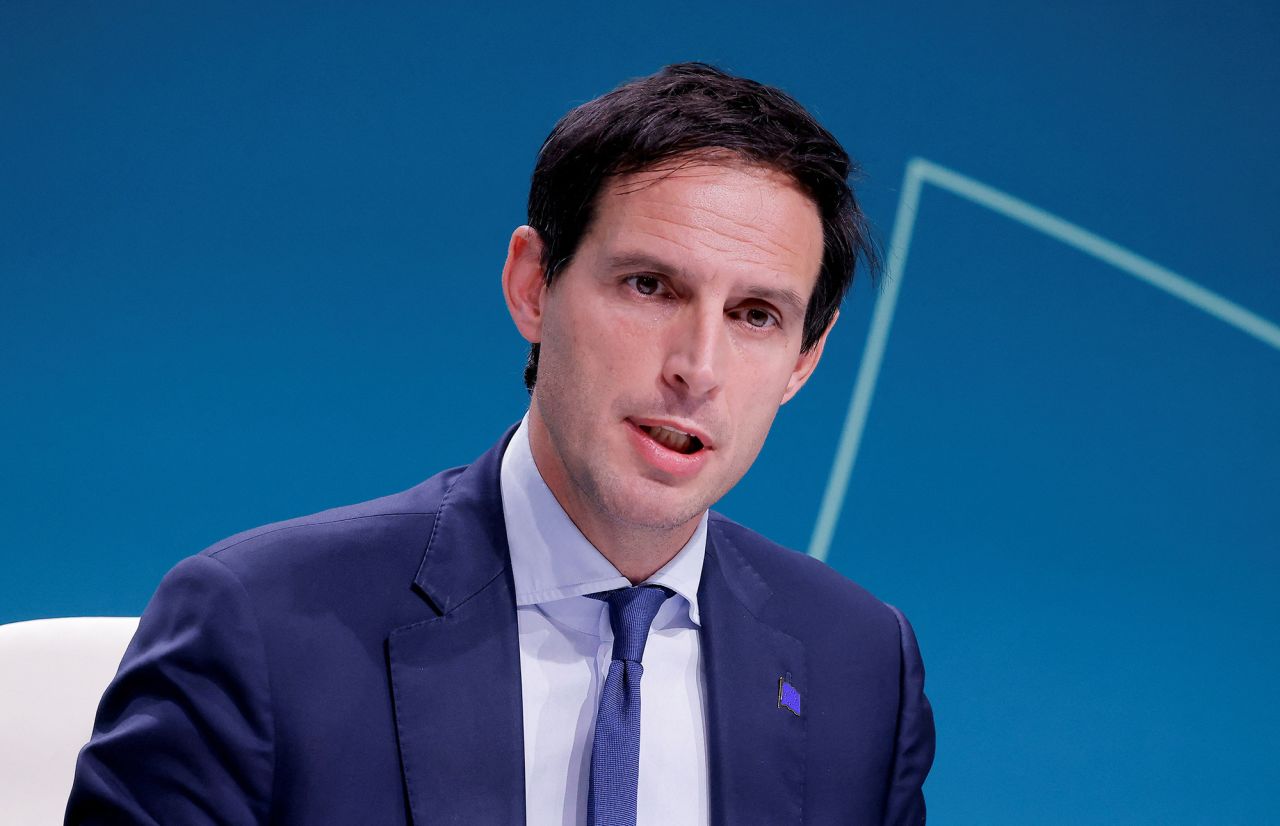
It is “truly unfortunate” that US President Donald Trump will be withdrawing the United States from the Paris Agreement, the European Union’s climate commissioner said on Tuesday.
On Monday, Trump signed executive actions to pull out of the international climate change treaty, in which nearly 200 countries agreed to work together to limit global warming.
“It’s a truly unfortunate development that the world’s largest economy, and one of our closest allies in the fight against climate change, is withdrawing from the Paris Agreement,” Wopke Hoekstra, the EU’s commissioner for climate, net-zero and clean growth, said in a post on X.
Hoekstra said the agreement “has strong foundations and is here to stay,” writing that, “despite this setback, we remain committed to working with the US and our international partners to address the pressing issue of climate change.”
Ursula von der Leyen, the president of the European Commission, also posted to X about the treaty, writing that “all continents will have to deal with the growing burden of climate change.”
“The Paris Agreement continues to be humanity’s best hope. Europe will stay the course. And we’ll keep working with all nations that want to stop global warming,” von der Leyen said.
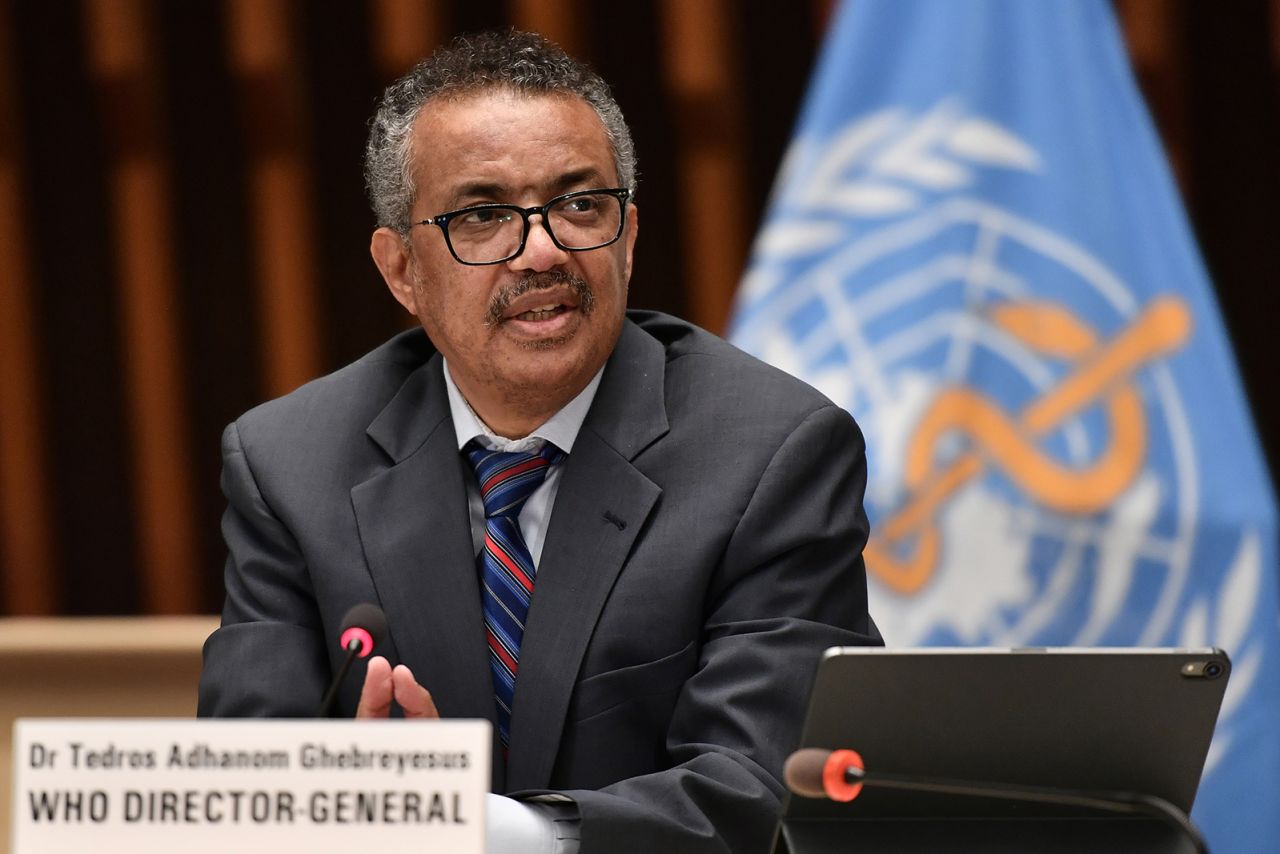
The World Health Organization (WHO) hopes that US President Donald Trump will reconsider his decision to withdraw his country from the agency, it said in a Tuesday statement.
“The World Health Organization regrets the announcement that the United States of America intends to withdraw from the Organization,” read the statement posted by WHO Director-General Dr. Tedros Adhanom Ghebreyesus.
On his first day back in office on Monday, Trump signed an executive order to withdraw from the United Nations health agency, citing its alleged “mishandling of the COVID-19 pandemic that arose out of Wuhan, China, and other global health crises, its failure to adopt urgently needed reforms, and its inability to demonstrate independence from the inappropriate political influence of WHO member states,” as reasons for the US withdrawal.
WHO’s statement stressed that it “plays a crucial role in protecting the health and security of the world’s people, including Americans, by addressing the root causes of disease, building stronger health systems, and detecting, preventing and responding to health emergencies, including disease outbreaks, often in dangerous places where others cannot go.”
It also noted that the US was a founding member of the organization in 1948.
“We hope the United States will reconsider and we look forward to engaging in constructive dialogue to maintain the partnership between the USA and WHO, for the benefit of the health and wellbeing of millions of people around the globe,” the agency said.
When President Barack Obama took the oath of office in January 2009, unemployment was surging, markets were plunging and families were losing their homes. He inherited an economic calamity.
President Donald Trump has been dealt a far stronger hand – even as he returns to the White House vowing to dramatically reshape the American economy through a flurry of executive action and sweeping legislation.
The unemployment rate ended 2024 at just 4.1%. The only incoming presidents to inherit a lower unemployment rate were President George W. Bush in January 2001 and President Richard Nixon in January 1969.
Although the cost of living remains a major frustration and risks of reigniting inflation remain, the US economy is broadly in good shape as Trump takes power. The jobs market is enjoying a historic period of uninterrupted growth, wage increases are beating price gains and overall growth continues to defy expectations.
“The president is inheriting a very healthy economy,” said David Kelly, chief global strategist at JPMorgan Asset Management.
One thing that could cool the US economy off a bit is the sheer amount of uncertainty that is being injected into the economy right now.
“Uncertainty is a tax on the economy,” said JPMorgan’s Kelly. “In football you may want to keep your opponent in the dark. But if you’re managing an economy, you want to make your plans clear. If you don’t, people may wait to make decisions and that tends to slow the economy down.”
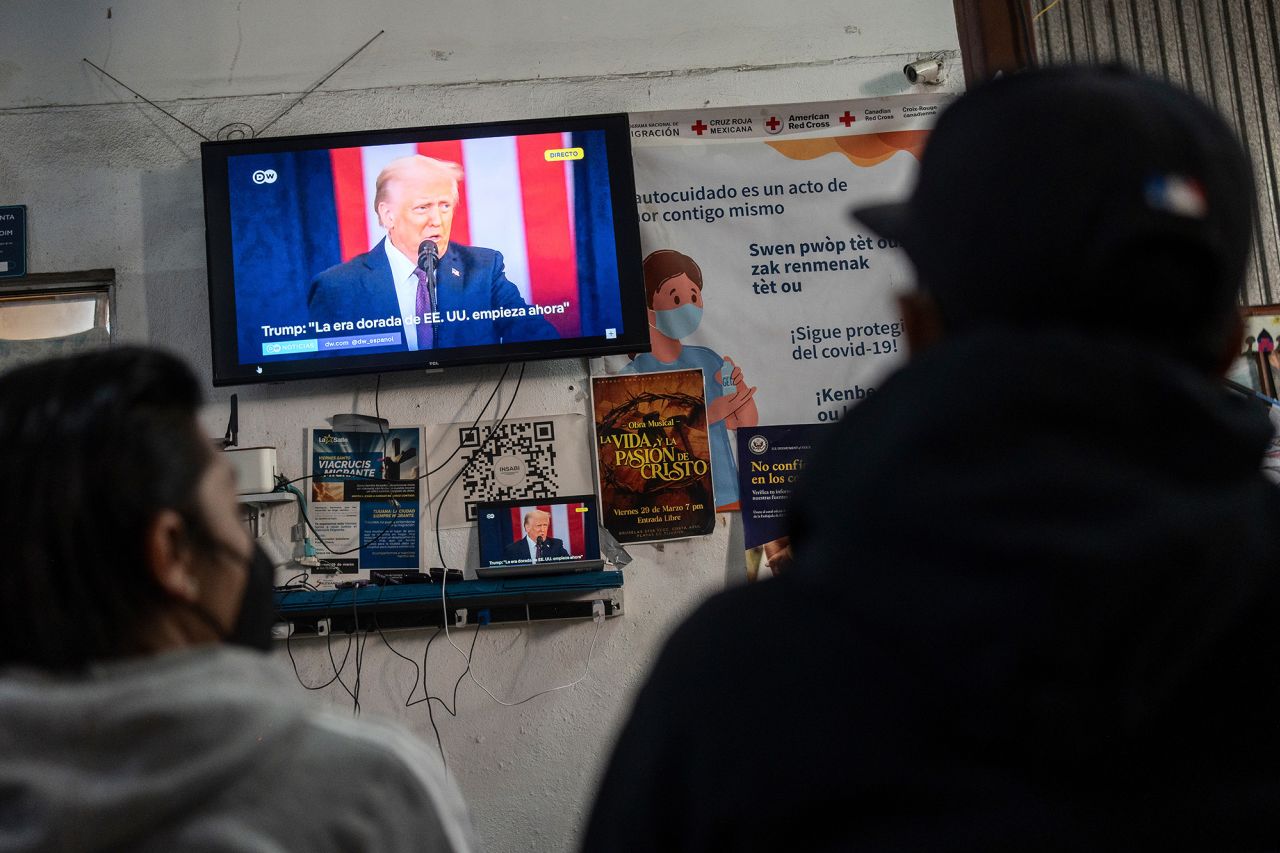
Terry Hodge would have a tough time caring for the 150 or so elderly women at Bethany Health Care Center without the dozens of immigrant nursing assistants, housekeepers, dietary aides and other staffers at the Framingham, Massachusetts, facility.
More than 40% of her employees were born abroad, hailing from 26 countries, including Haiti, Guatemala, El Salvador and Ghana, said Hodge, the center’s administrator. Among the certified nursing assistants, the figure is 84%.
They are workers whom Bethany “can’t afford to lose,” she said, noting they help residents get out of bed, escort them to the bathroom, dress and feed them, give them medication and talk to them.
“Our residents rely heavily on the care and companionship of the nursing staff and the housekeeping staff,” Hodge continued. “The immigrant workers are very crucial to the functioning of this facility and to the physical and mental health of the people they serve.”
That’s why President Donald Trump’s vow to deport millions of immigrants in the US and restrict the influx of new arrivals has so concerned Hodge and her workers — particularly those who are asylum seekers and beneficiaries of the Deferred Action for Childhood Arrivals, or DACA, and Temporary Protected Status programs since Trump has tried to target these measures in the past.
“They are extremely anxious about what the future holds for them,” she said. “We, as a facility, are anxious about losing any staff.”
Two sisters, both undocumented immigrants, are speaking out against the Trump administration’s intention to carry out mass deportations of undocumented immigrants.
“It’s just scary knowing that we’re here trying to do the right thing, and like, we’re going to school, we’re full-term students, we’re working jobs, and we’re not doing anything to harm like anybody or anything,” Anna Ibarra told CNN.
Anna and Brenda Ibarra, who attend college at Oklahoma State in Tulsa, say they moved to Tulsa with their family sometime in 2007. At the time, Brenda was 3, and Anna was just a year old.
“We want our voices to be heard. Immigrants are not here to commit crimes. If we were here to commit crimes, many of them would be in jail,” said Brenda Ibarra, 22. “But instead, they’re raiding workplaces. Immigrants are here to work and to better their lives, not do anything bad.”
Anna Ibarra, 20, said it’s scary that they want to do this in places such as businesses and schools.
“I think it’s just so unfair for the people that have been working so hard, and the people that are paying taxes and get nothing in return, and just their hard work is just going to go away because of just wanting to do these mass deportations,” she said.
If they get sent back to Mexico, Brenda Ibarra said they “would have a hard time finding ourselves there because our whole life has been here.”
“We’re not here to take anybody’s jobs,” Brenda Ibarra said. “We’re here to work, help the economy, and study. We’re not criminals; all we want to do is make a better life for ourselves in the place where we grew up.”
State and local leaders across the country are bracing for a tidal wave of aggressive immigration policies and possible mass deportations that President Donald Trump has vowed to enact in the hours and days following his inauguration Monday.
The immigration actions – which are already being challenged in court – could create fear and confusion in cities with robust immigrant populations as everyone from school bus drivers to restaurant managers and church pastors will be left to wonder what to do if Immigration and Customs Enforcement comes knocking.
Nationwide, state and city officials have been making preparations for the inevitable immigration crackdown. And while many have plans in place to support migrant communities – and in some cases thwart federal immigration enforcement – others have expressed enthusiastic support for Trump’s planned policies.
Read about how states are responding to the new immigration actions.
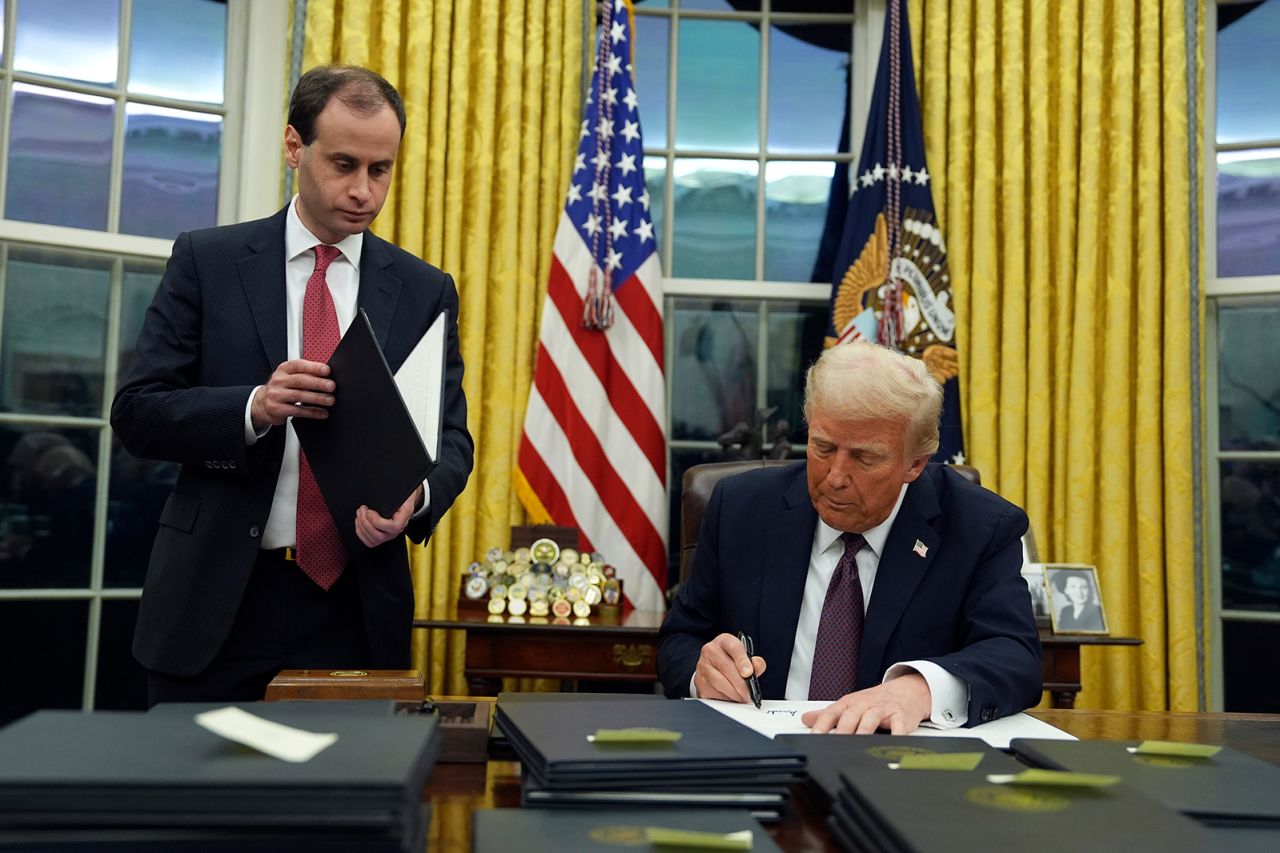
For many of America’s 170 million TikTok users, US President Donald Trump’s move to delay a legal ban of the popular social media platform was cause for celebration.
But in China, where TikTok’s parent company is based, the reception has been less positive, largely because Trump has suggested he could require the company to give up a 50% stake to avert its shutdown.
The future of TikTok should be “decided by companies” in line with Chinese law, China’s Foreign Ministry said Monday ahead of Trump’s inauguration.
The US should “earnestly listen to the voice of reason” and “provide an open, fair, just and non-discriminatory business environment” for companies from all countries, spokesperson Mao Ning said when asked about the joint venture proposal.
On Chinese social media, where TikTok’s fate has appeared as one among many efforts from the US to stymy Beijing’s technical prowess, Trump’s suggestions were met with disdain.
Tens of millions of users on the social media platform Weibo flocked to hashtags related to the potential 50-50 ownership, with many decrying the US government’s “robbery.”
“Apple and Tesla should also give up 50% of their shares to Chinese companies then,” one comment with thousands of likes said.
“We need 50% control of Nvidia then!” said another commentator, referring to the US chipmaker.
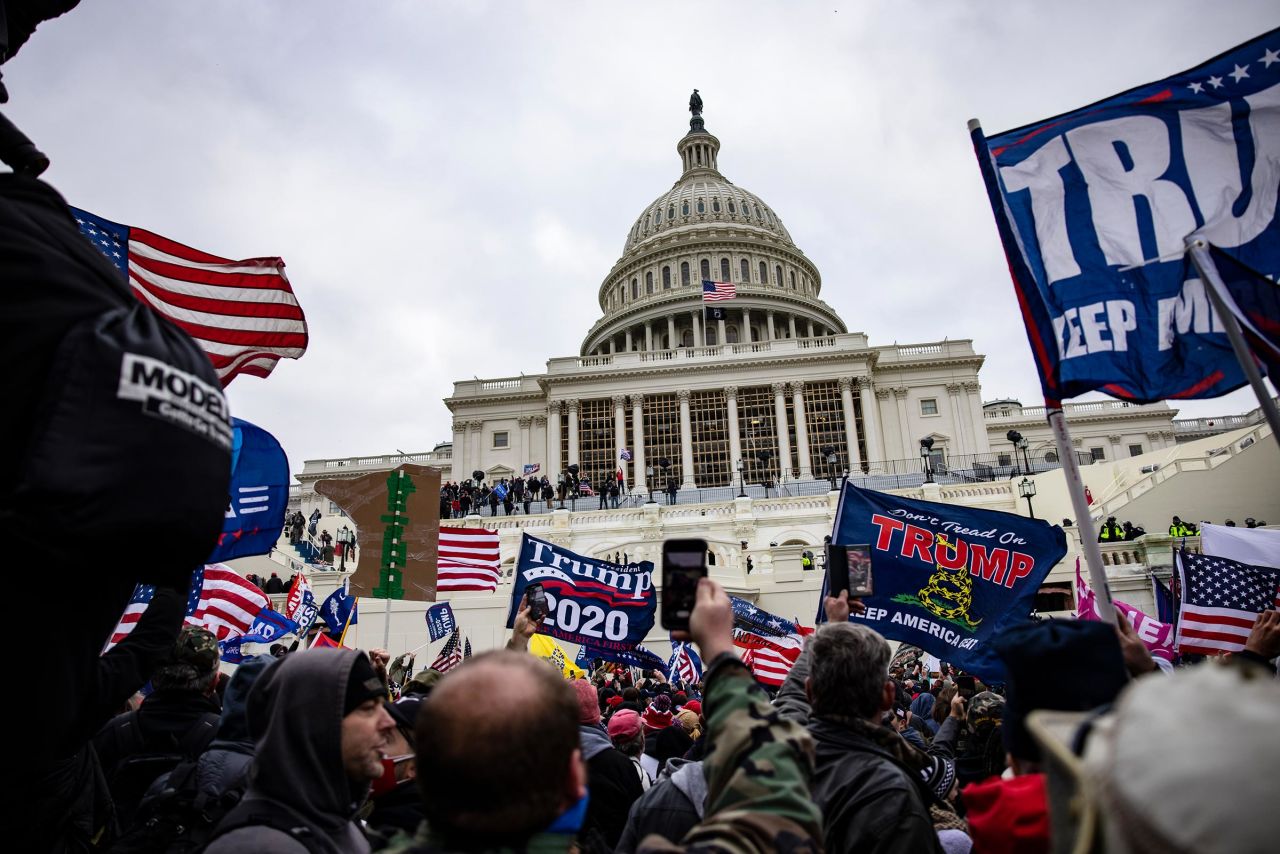
With the stroke of a pen on Monday, President Donald Trump completely upended the Justice Department’s four-year effort to arrest, prosecute and punish the people who attacked the US Capitol on January 6, 2021.
It was the largest criminal probe in American history, those who heeded Trump’s call in 2021 to come to Washington and try to stop Congress from certifying his 2020 election defeat. More than 140 police officers were injured during the seven-hour siege, which also led to the deaths of four Trump supporters in the mob and five police officers.
The presidential proclamation Trump signed in the Oval Office said this action of mass clemency “ends a grave national injustice that has been perpetrated upon the American people.”
Two brothers convicted for their roles in the attack on the US Capitol were the first of those pardoned to be released. Andrew Valentin and Matthew Valentin, who were each sentenced last week to two and a half years in prison, walked out of the DC Central Detention Facility on Monday night.
Here’s what to know about the pardons:
• Virtually all convicted pardoned: The proclamation Trump signed grants a “full, complete and unconditional pardon” to virtually everyone who was convicted of January 6-related crimes.
• Commutations for leaders of extremist groups: Trump’s proclamation singled out 14 members of far-right extremist groups, like the Proud Boys and the Oath Keepers, who received commutations instead of pardons. This means they’ll be freed from federal prison but won’t have their civil rights restored, as happens with a full pardon, which paves the way for a recipient to get back their right to own a gun or their right to vote.
• Dismissing all pending prosecutions: Trump’s proclamation directed about 300 pending cases to be dismissed.
• Trump went further than anyone expected: During and after the 2024 campaign, Trump kept the door open to pardoning every defendant. But he also hedged at times. In recent weeks, Trump’s allies signaled that pardons would be restricted to nonviolent defendants. But there was no “case-by-case” review, as Trump aides promised.
• He justified them with lies: Trump justified the pardons with the same series of lies and false claims that he has used for years to whitewash the violence, deflect blame and rewrite history.
Read more about the mass pardons.

